
Chiropractic Manual Therapy in Toronto
Care for your Spine, Since You Only Have One For Life!
What Is Chiropractic Manual Therapy?
Manual therapy (also known as chiropractic spinal manipulation and spinal mobilization) is a popular treatment and commonly sought out by people with back and neck pain.
Research has shown that manual therapy techniques have demonstrated effectiveness in improving range of motion, reducing disability, improving function, and modulating pain.
Many people experience immediate pain relief following spinal manipulation, as well as improved movement and function.
Spinal manipulation (aka chiropractic adjustments) is a unique, high-level and regulated skill that requires extensive knowledge of the spine’s anatomy to be carried out safely. The thrust is directed in a specific direction according to a given joint’s orientation, which differs in different areas of the spine.
It is a type of hands-on treatment whereby the chiropractor uses her hands to apply a low-amplitude (small), high-velocity (quick) force to a specific bone that has lost its full range of motion.
When the spine is mobilized, the force used is slower, gentler, and multiple repetitions are usually used with the aim of mobilizing a given bone.

What Happens During a Chiropractic Adjustment?
• The facet joints at the back of the spine open slightly
• The joint’s ligaments and associated muscles are suddenly stretched
• The volume of the joint space is temporarily increased and the pressure inside the joint decreases
• An audible pop sound (cavitation) is felt and heard (like when a person cracks their knuckles).
• The spine is less stiff and more mobile
Synovial fluid inside a joint contains several gases, including nitrogen, oxygen, and carbon dioxide.
It is the release of those gases from the joint space that causes the popping sound. These gases are replenished within 30 minutes.


Benefits of Chiropractic Manual Therapy & Spinal Manipulation
- Pain reduction
- Reduced stiffness
- Reduced muscle spasm and tightness by affecting aberrant firing patterns of associated nerves.
- Restoring lost segmental joint movement
- Increasing overall body range of motion related to that joint
- Many patients feel immediate relief following chiropractic treatment.
Research has shown that manipulative therapy in combination with other therapy components such as education and exercise can help you return to pain-free living faster.
When Is Spinal Manipulation Appropriate?
Motion Palpation: Detecting Spinal Joint Dysfunction
Motion palpation is an important assessment technique that chiropractors use to determine how spinal and peripheral bones are moving.
It is important to know where there are areas of restriction, so that appropriate treatment can be applied to the correct area with manual therapy.
During motion palpation, the doctor applies gentle pressure to your spine with her fingers while guiding your spine through various motions. This allows identification of bones/joints that may be restricted or potentially “misaligned,” which can contribute to pain or dysfunction.
When the passive motion of a vertebra is reduced due to degenerative changes in the spine, muscles and tendons become strained and sprained. You can then potentially experience acute or recurrent inflammation and pain.
Chiropractors have been palpating these areas of dysfunction for over a hundred and thirty years. During four years of chiropractic college, these skills are practiced every day, allowing them to develop this specialized skill.
To identify the structures that are injured, the doctor will attempt to gently reproduce your pain and may:
- Check your overall movement patterns
- Press on individual vertebral bones while you sit or lie down on the examination table
- Perform motion palpation, moving your spine in various directions
- Feel the tension in your soft tissue systems (muscle, fascia) to identify any points of tenderness
- Use a pressure algometer (small instrument) that reveals how many pounds of pressure are needed to elicit your discomfort
It is widely recognized by spinal researchers that positional disc changes, vertebral misalignments, and changes in the shape of facet joints develop during spinal degeneration.
The loss of segmental spinal motion is related to the progression of spinal degeneration.


PulStar® Spinal Analysis & Mobilization
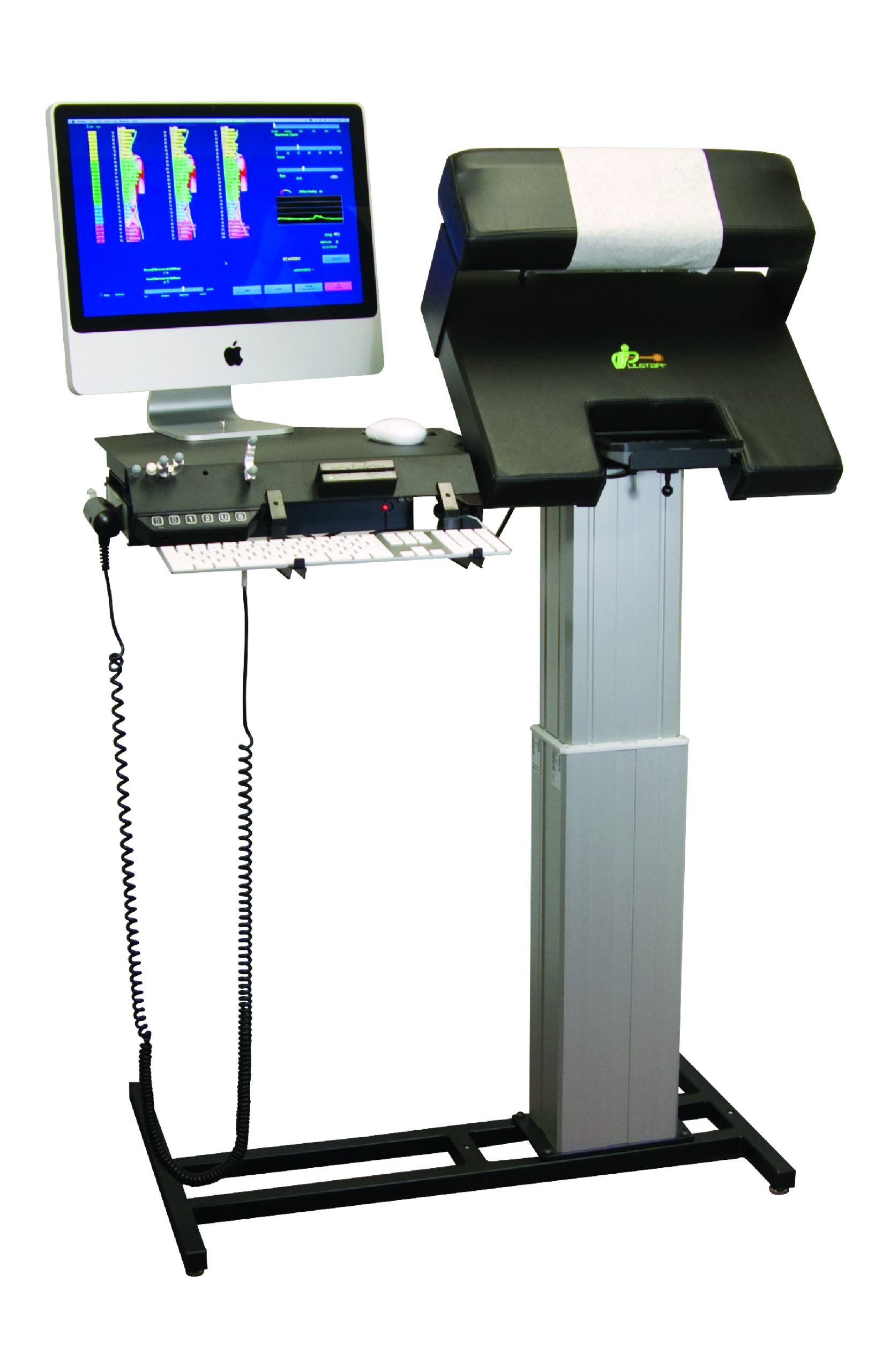
While motion palpation is an indispensable tool in determining spinal motion, anatomical variations in the shape of bones exist, and there are times (such as people with a lot of body fat) when it is more difficult to feel a vertebra.
To complement spinal assessment with motion palpation and to obtain more objective evidence of spinal resistance/restrictions in motion, the PulStar® is used which scans each level in the full spine and provides visual bar graphs of areas of concern.
After treatment, the doctor may repeat motion palpation and/or a PulStar® scan to recheck that spinal motion has been re-established.
Goals of Chiropractic Manual Therapy

- Providing pain relief naturally by re-establishing normal spinal motion and accelerating healing
- Reducing inflammation and compression of nerves
- Reducing the need for medications (according to your physician’s supervision as needed)
- Accelerating recovery after injuries
- Allowing for a return to normal activities and work as soon as possible
- Education about self-management strategies including reducing factors that exacerbate the condition
- Helping you to identify ways you can remain active in the physical activities and hobbies you enjoy, by reducing fears of aggravating your condition
- Exercise rehabilitation to improve strength, flexibility, movement, coordination, and endurance, reducing the risk of future injury
- Posture re-education
- Ergonomic advice
Most people will benefit from a yearly spinal examination by a chiropractor.
Reviews


To find directions to My Toronto Chiropractor Clinic, in Midtown Toronto, click on Directions in the map below!
Have a Question?
Contact Us